
“Crypto Market Volatility 101: Understanding Price Fluctuations and Fees in a High-Risk World”
As cryptocurrency continues to gain traction as a mainstream investment opportunity, investors are faced with a new set of challenges: price volatility. The cryptocurrency market is known for its extreme fluctuations, which can result in significant losses if not managed properly. In this article, we’ll delve into the world of crypto asset pricing and explore two key factors that contribute to price volatility: transaction fees and market sentiment.
What are Transaction Fees?
Transaction fees are the costs associated with sending or receiving cryptocurrencies on a blockchain network. They can range from 1% to 10%, depending on the platform, payment method, and network congestion. Transaction fees are typically deducted by the sender’s wallet and credited to the recipient’s wallet. This process is called “payment for transaction” (PFT).
For example, if you send 1 Bitcoin to a friend, the transaction fee would be around $20-$50. While this may seem like a small price to pay, it adds up quickly when considering the overall cost of investing in cryptocurrencies.
Why are Transaction Fees So High?
Transaction fees can be attributed to several factors:
- Network congestion: As more people start using cryptocurrencies and making transactions, the network becomes congested, leading to increased processing times and higher fees.
- High demand: The surge in popularity of cryptocurrencies has created a high demand for payment services, driving up transaction costs.
- Blockchain technology limitations: The underlying blockchain technology is not yet optimized for low-latency and fast transaction processing. This means that transactions can take longer than usual, resulting in increased fees.
The Impact on Crypto Prices
When transaction fees are high, it can lead to price volatility. Here’s how:
- Increased market risk: Higher transaction fees mean that investors may be more likely to sell their cryptocurrencies at the lower end of a given range, leading to decreased prices.
- Reduced liquidity: High transaction fees can make it harder for investors to buy and sell cryptocurrencies quickly, resulting in reduced trading volumes and increased price fluctuations.
Market Sentiment: A Key Factor in Price Volatility
Market sentiment plays a significant role in determining cryptocurrency prices. Investors’ emotions and expectations can drive up or down market prices, leading to extreme volatility. Here are some key factors that affect market sentiment:
- Investor confidence: When investors feel optimistic about the future of cryptocurrencies, they may be more likely to buy, driving up prices.
- Fear and uncertainty: Conversely, when investors are fearful or uncertain about the market’s potential, they may sell, leading to decreased prices.
Mitigating Cryptocurrency Volatility
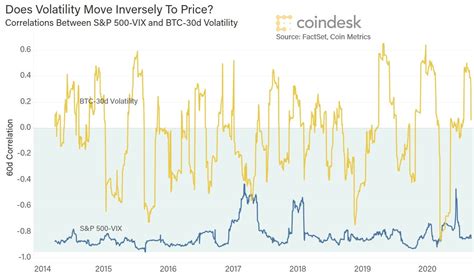
While transaction fees and market sentiment can contribute to price volatility, there are steps investors can take to mitigate these risks:
- Diversify your portfolio: Spread your investments across a range of cryptocurrencies to minimize exposure to any one particular asset.
- Use stop-loss orders: Set stop-loss orders to automatically sell assets when they fall below a certain price, limiting losses.
- Stay informed: Continuously educate yourself on market trends and developments to make informed investment decisions.
Conclusion
Crypto market volatility is a reality that investors must contend with. By understanding the factors contributing to price fluctuations and taking steps to mitigate risks, investors can better navigate the world of cryptocurrencies. Remember, investing in cryptocurrencies is high-risk, high-reward. It’s essential to be informed, disciplined, and prepared for the unexpected.
Recent Comments