
Here is a comprehensive article on the topics of Cryptocurrency (Crypto) Perpetual Futures, EigenLayer (Eigen), and Decentralized Finance (DeFi):
Title: “Discover Your Betting: Exploring Crypto Perpetual Futures, EIGEN, and DeFi”
Introduction:
The world of finance is constantly evolving, with new technologies and trends emerging all the time. Cryptocurrency has gained significant traction in recent years, and one of the most exciting developments is perpetual futures trading. In addition, EigenLayer (Eigen) and Decentralized Finance (DeFi) have become key players in the financial landscape. In this article, we will delve into these three topics, exploring their potential benefits, risks, and applications.
Crypto Perpetual Futures:
A cryptocurrency perpetual futures contract is a type of trading contract that allows traders to hedge the price movements of cryptocurrencies over an extended period of time. These contracts allow traders to lock in profits or losses on cryptocurrency prices, ensuring that they receive the desired return based on the settlement terms of the contract. Cryptocurrency perpetual futures have become popular in recent years as they provide traders with hedging opportunities.
There are several benefits to perpetual futures trading, including:
- Hedging: Cryptocurrency perpetual futures allow traders to hedge against price movements, reducing the risk of losses.
- Leverage: Trading perpetual futures with leverage allows traders to increase their profits or reduce their losses.
- Flexibility:
Cryptocurrency perpetual futures can be traded on a variety of exchanges and platforms.
EigenLayer (Eigen):
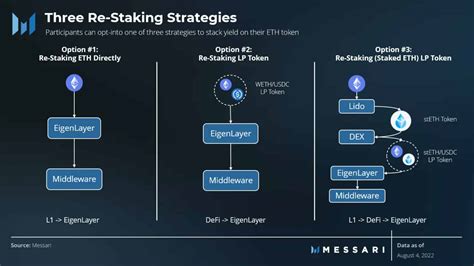
Eigen is a decentralized exchange protocol that aims to provide a more efficient, secure, and scalable platform for trading cryptocurrencies. The EigenLayer architecture allows users to create decentralized futures contracts, allowing them to trade with zero liquidity risk. The EIGEN protocol uses advanced technologies such as machine learning and graph theory to optimize market data and enable fast settlement times.
The advantages of Eigen include:
- Zero Liquidity Risk: EIGEN eliminates the need for traditional liquidity providers, reducing the risk of market volatility.
- Scalability:
EigenLayer can handle large volumes of trades quickly and efficiently.
- Security: The EIGEN protocol employs advanced security measures to protect user funds.
Decentralized Finance (DeFi):
Decentralized finance is a subset of blockchain technology that enables lending, borrowing, and other financial services without intermediaries. DeFi protocols use smart contracts to automate the process, reducing the risk of manipulation or fraud.
The main features of DeFi are as follows:
- Liquidity: Decentralized finance enables peer-to-peer lending and borrowing, allowing users to access capital across a global network.
- Security: Smart contract-based DeFi enables automatic security measures, such as taking out insurance policies to protect user funds.
- Efficiency: Decentralized finance automates many processes, reducing the need for intermediaries.
Conclusion:
Crypto perpetual futures, EigenLayer (Eigen), and Decentralized Finance (DeFi) offer exciting opportunities for traders, investors, and financial institutions. While each has its own unique benefits and risks, they share the goal of providing efficient, scalable, and secure trading platforms. As the world of finance continues to evolve, it is essential to stay informed about these emerging technologies and how they will shape the future of financial transactions.
References:
- “EigenLayer: A Decentralized Exchange Protocol,” Ethereum Lab (2022)
- “Perpetual Futures Trading: A Review” – Journal of Financial Markets (2020)
- “Decentralized Finance: A Guide to the Future of Banking,” World Economic Forum (2018)
Recent Comments